Ethiopia’s leather industry.
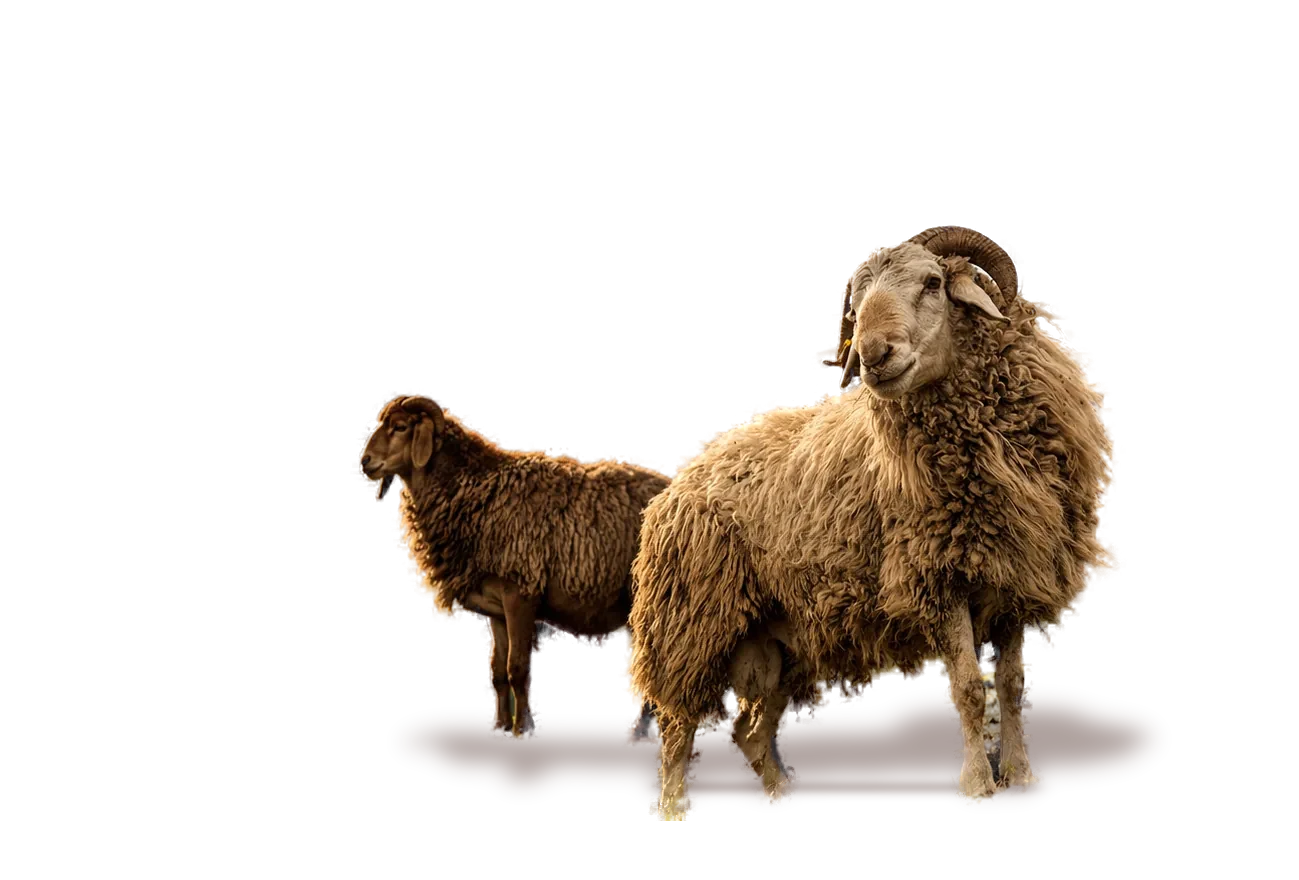
Africa’s largest livestock resource, and a sector ready to add value.
02 Introduction
Ethiopia has a leather industry dating back to the early 20th century and the largest livestock population in Africa. For many years, leather was the country’s second-largest source of foreign currency after coffee. Today the industry is working to move from exporting raw and semi-processed leather to producing finished footwear, garments and leather goods for domestic and international markets.
03 The sector in figures
Africa’s largest livestock resource.
Sources: ELIA and its Institutional Profile 2026; remarks by ELIA President Zelalem Merawi reported by The Reporter and Capital, February 2026.
| Indicator | Figure |
|---|---|
| Livestock population | About 65 million cattle, 40 million sheep and 50 million goats |
| Hides and skins | About 41 million produced a year, of which about 22 million reach the tanneries |
| ELIA member enterprises | 194 (28 tanneries, 37 shoe manufacturers, 129 other leather product manufacturers) |
| Annual export earnings | USD 30 to 40 million |
| Domestic import-substitute production | Up to USD 3 billion per year, including footwear for the military and police |
| Gelatin exports from leather by-products | About USD 180 million over the past five years |
| Global leather and leather fashion market | More than USD 500 billion per year |
| Ethiopia’s leather and tannery market | About USD 1 billion by 2034, growing about 6% a year |
| Jobs in the leather value chain | The government’s target: 300,000 by 2030 |
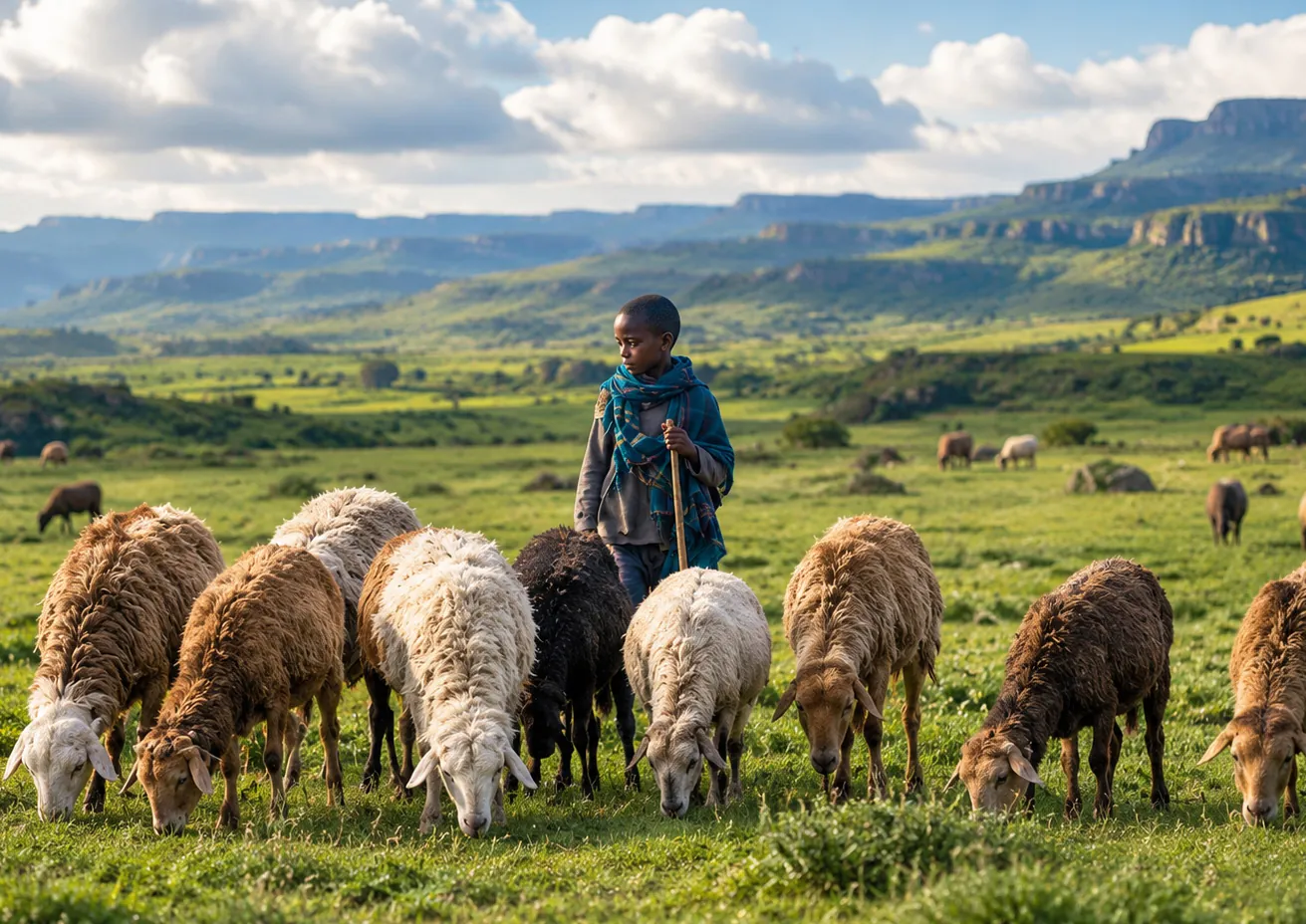
The largest herd in Africa.
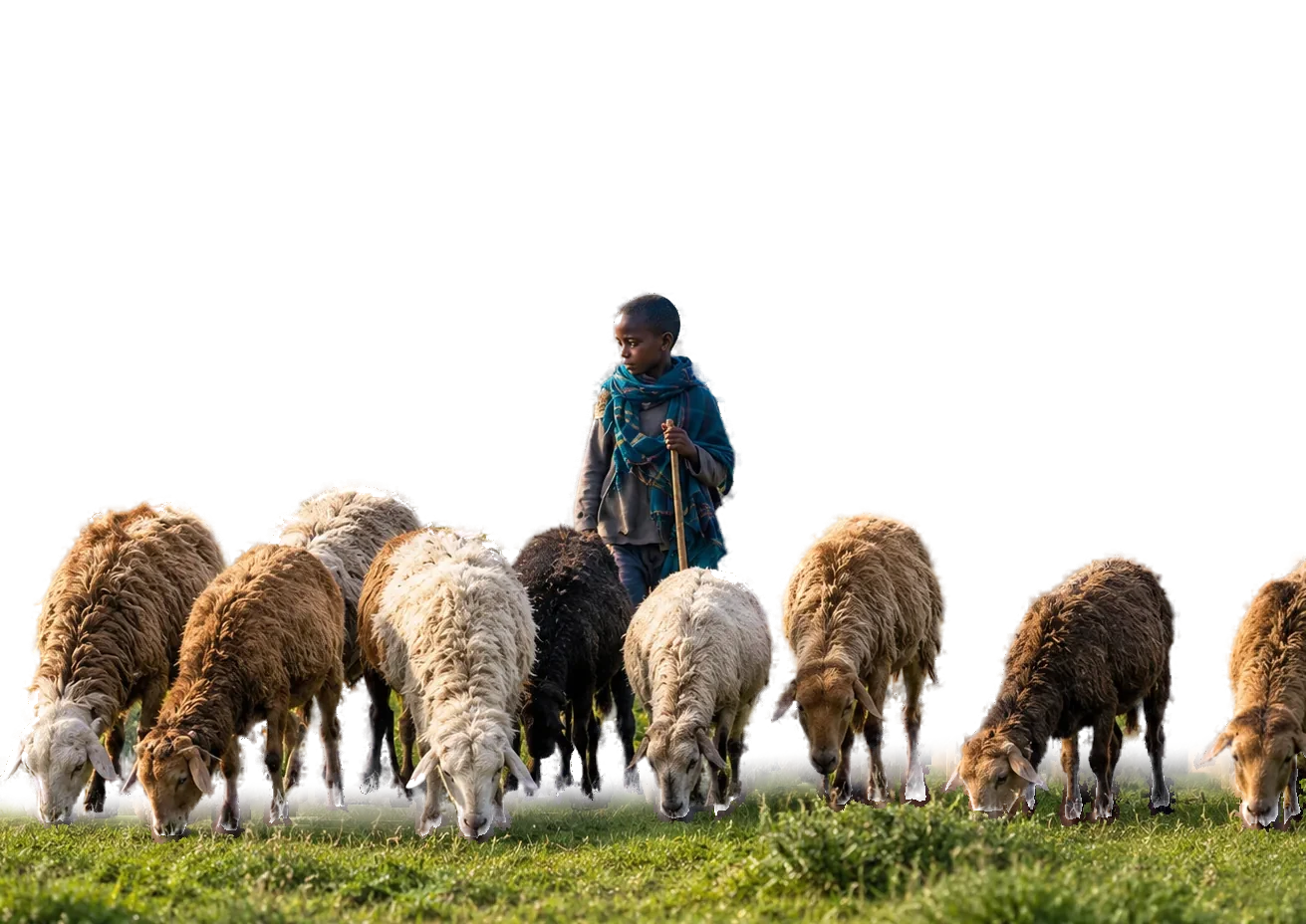
ELIA Livestock N° 01
Every Ethiopian hide and skin is a by-product of the country’s food: nothing is raised for leather alone.
Fig. 01 A young herder with his flock on a green highland plateau
04 Highland hides and skins
Ethiopian Highland Hides and Skins.
Ethiopian highland sheepskin is valued worldwide for its fine grain, compact fibre structure and strength. It is light, thin and soft, yet durable, making it a preferred material for premium gloves, footwear and leather goods. The main sourcing areas stretch across the highlands from Wollo to Bahir Dar and Nekemte.
05 The value chain
From the farm to the market.
-
Livestock and Hides
Hides and skins are collected from farmers, abattoirs and traders across the country.
-
Tanning
Tanneries process hides and skins into wet-blue, crust and finished leather.
-
Manufacturing
Footwear, garment and leather goods producers turn finished leather into consumer and industrial products.
-
Markets
Products are sold domestically, supplied to government institutions, and exported to Europe, Asia, North America and Africa.
-
By-Products
Leather scraps and trimmings are processed into gelatin and other products.

06 Policy and investment environment
A priority sector.
-
Priority Sector
Leather is a government priority sector under Ethiopia’s manufacturing and export strategies.
-
Raw Hide Export Tax
A 150% export tax applies to raw hides to encourage local value addition, and the minimum export price per hide is being raised from USD 7 to USD 10.
-
Marketing Reform
The Raw Hides and Skins Marketing Proclamation (2013, revised 2018) is being amended to give manufacturers clearer and more direct access to raw materials.
-
Modjo Leather City
The government is developing an integrated leather hub at Modjo with a shared waste treatment plant to help tanneries meet international environmental standards.
-
Incentives
Investors in the sector can access income tax holidays and duty-free import of capital goods and construction materials.
-
Market Access
Ethiopia is a member of the African Continental Free Trade Area (AfCFTA), opening a continental market for Ethiopian leather products.
07 Challenges the industry is addressing
What stands in the way.
ELIA works with the Ministry of Industry, the Ministry of Agriculture and development partners on each of these issues.
-
Raw Material Supply
Shortages of quality hides, while significant volumes are wasted or exported raw.
-
Access to Finance
Limited credit for working capital, machinery and expansion.
-
Environmental Compliance
Investment needed in effluent treatment and cleaner production.
-
Relocation
Factories within cities moving to industrial parks under new environmental and urban development rules.
08 Opportunities
Where the value is.
-
Finished Products
Footwear, bags, gloves, garments and accessories made from Ethiopian leather.
-
Premium Materials
Ethiopian Highland Leather for luxury and high-end brands.
-
Regional Trade
Supplying African markets under the AfCFTA.
-
By-Product Processing
Gelatin, collagen and other value-added products from leather waste.
-
Supporting Industries
Chemicals, components, machinery services and effluent treatment.