Invest and source in Ethiopia.
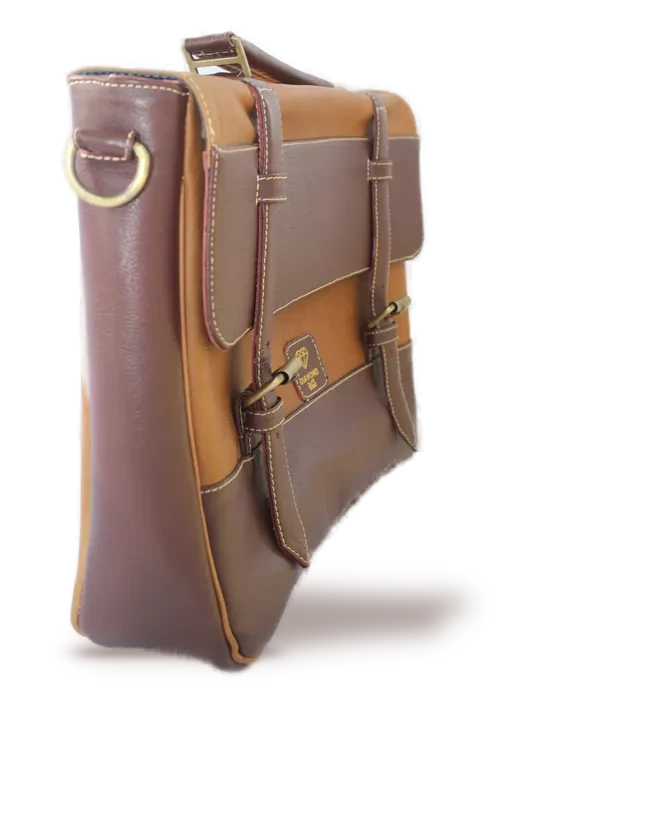
Your entry point to Ethiopia’s leather manufacturers.
02 Why Ethiopia
Why Ethiopia.
Seven reasons buyers and investors look to Ethiopia for leather.
-
Raw Material Base
The largest livestock population in Africa and highland hides and skins preferred by international buyers.
-
Premium Material
Ethiopian Highland Leather, a registered national brand of high-quality sheepskin.
-
Competitive Costs
A large, young and trainable workforce and competitive energy costs.
-
Incentives
Income tax holidays and duty-free import of capital goods for priority sectors, including leather.
-
Industrial Infrastructure
Industrial parks and the planned Modjo Leather City with shared waste treatment.
-
Market Access
AfCFTA membership and logistics links through Ethiopian Airlines and the Addis Ababa to Djibouti railway.
-
Policy Support
Government measures to keep raw hides in the country for local value addition.
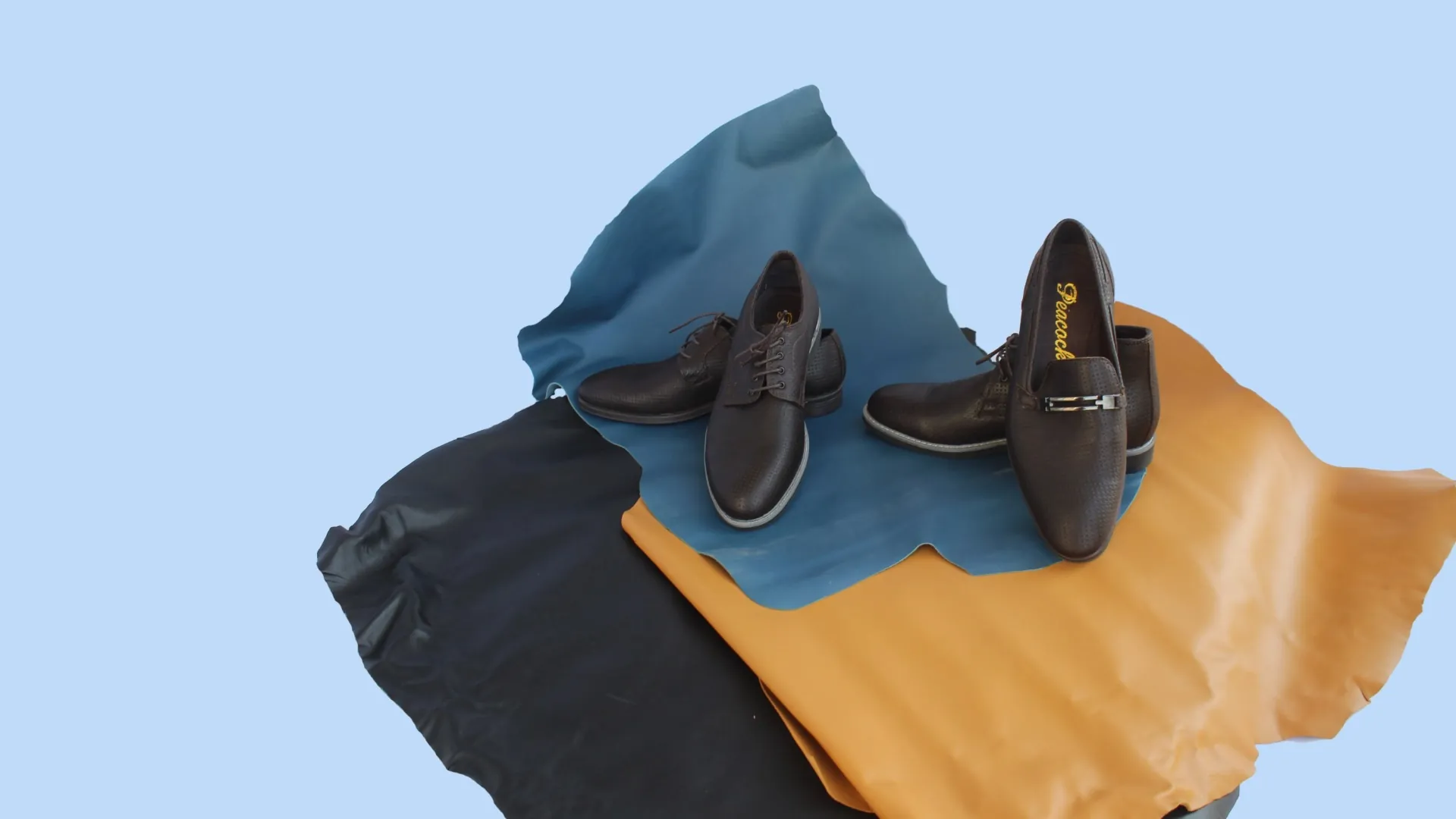
Made in Ethiopia.
ELIA Sourcing N° 01
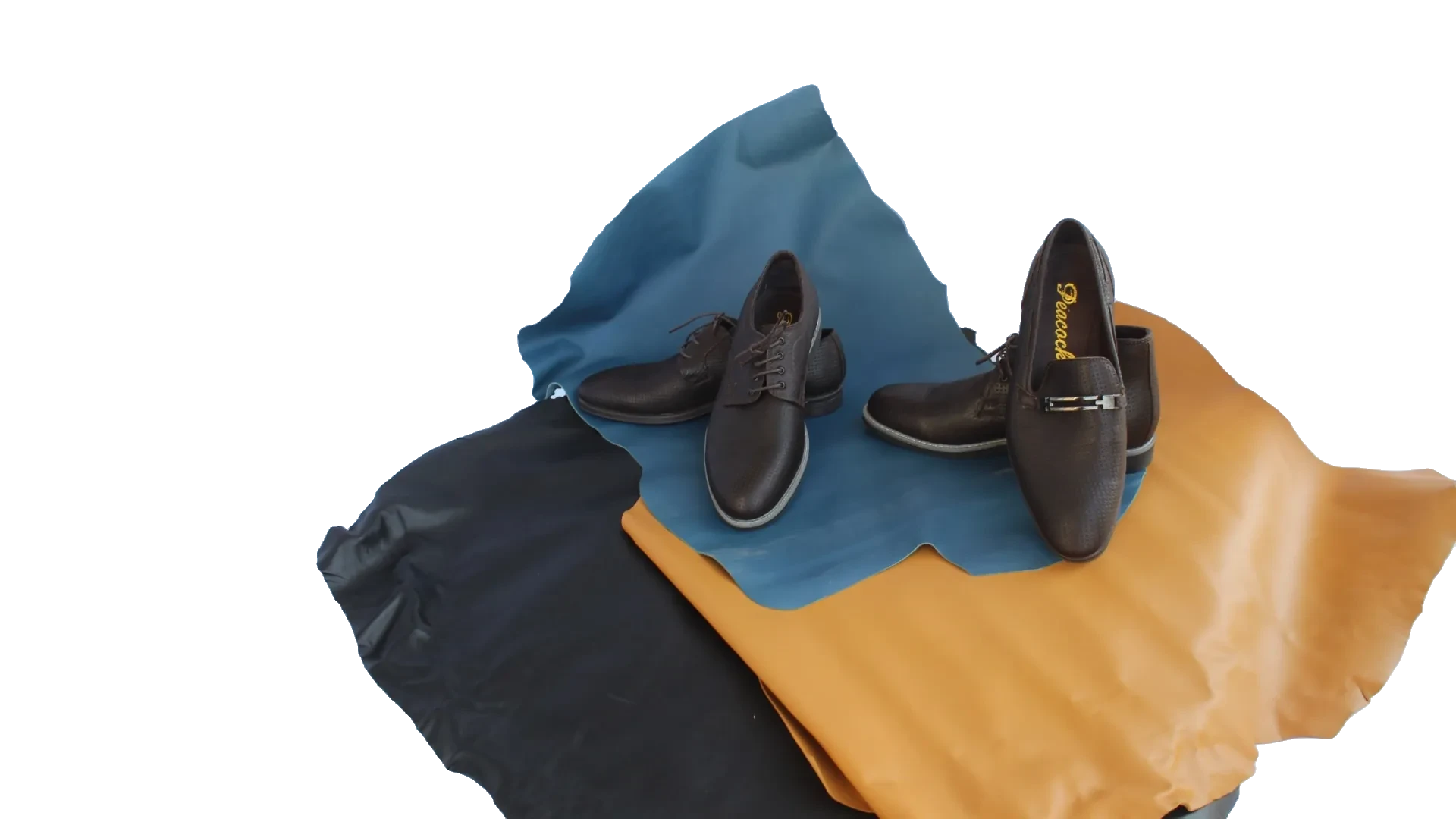
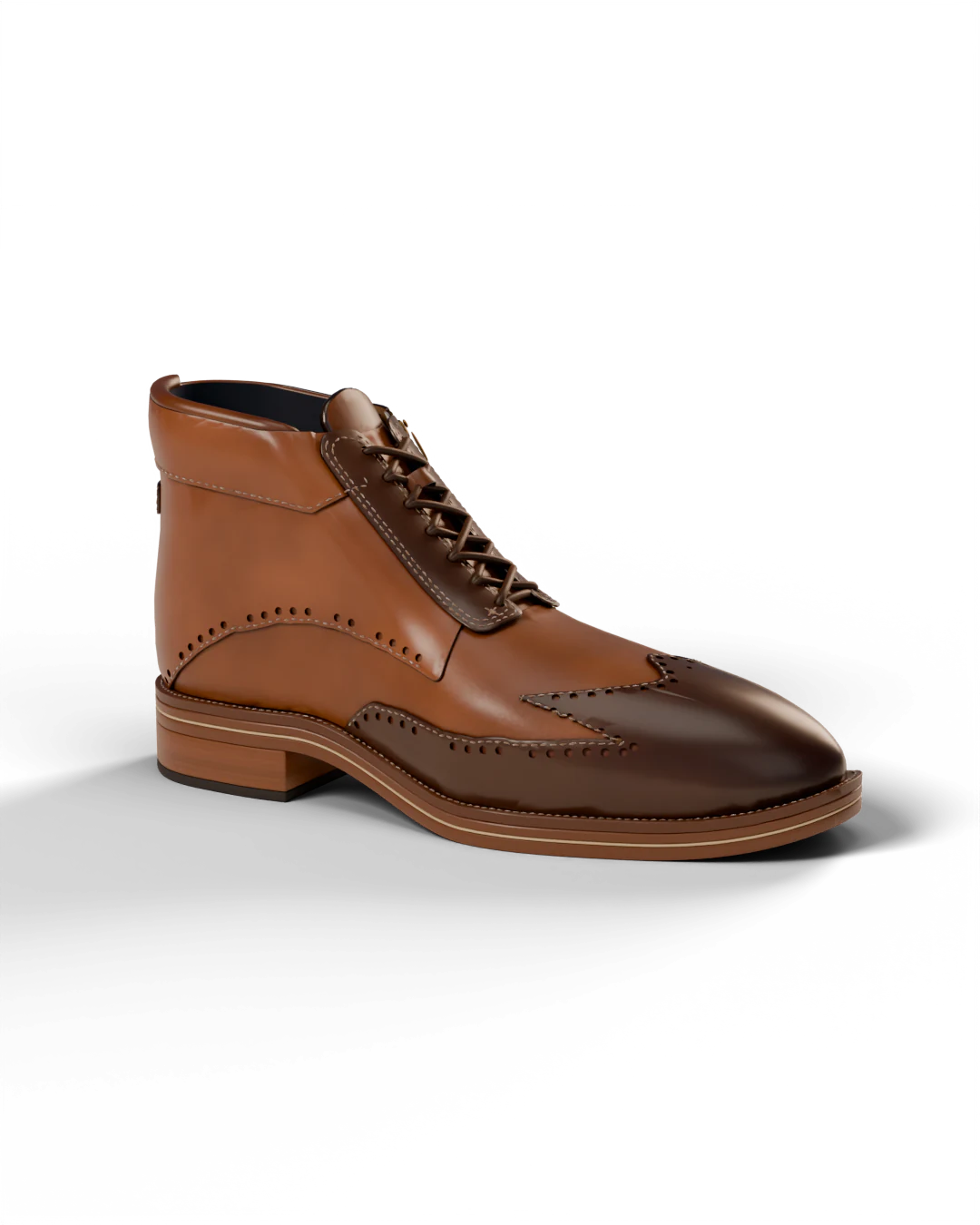
Finished leather, shoes, bags and garments, from the makers who tan the hides.
Fig. 01 Leather shoes laid on hides of wet-blue, black and tan leather
03 For buyers
Source leather and leather products from Ethiopia.
Ethiopian manufacturers supply finished and semi-finished leather, footwear, gloves, bags, garments and accessories to buyers in Europe, Asia, North America and Africa.
How ELIA helps buyers
-
Share Your Requirements
Tell us the product, quality standard, volume and timeline you need.
-
Supplier Shortlist
We identify ELIA members that match your requirements.
-
Introductions
We arrange meetings, sample requests and factory visits.
-
Follow-Up
We support communication and help resolve issues as the relationship develops.
Products available
| Category | Examples |
|---|---|
| Leather | Wet-blue, crust and finished leather; sheepskin, goatskin and cowhide |
| Footwear | Casual, formal, safety and military boots, sports shoes |
| Leather Goods | Bags, wallets, belts, gloves, accessories |
| Garments | Jackets and other leather apparel |
| Upholstery | Furniture and automotive leather |
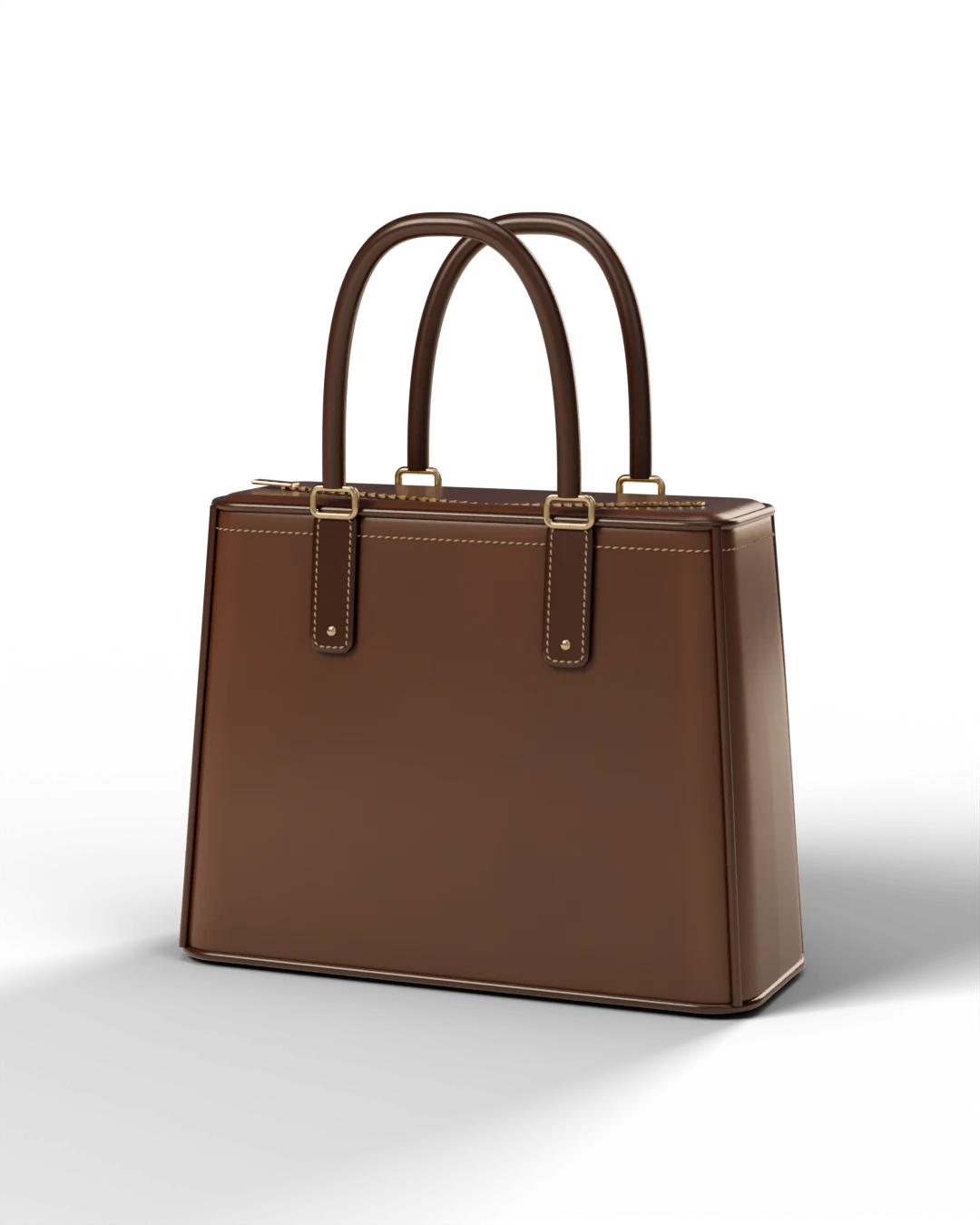
A tote in chestnut calf: rolled handles, tan piping, saddle stitching and brass fittings.
04 For investors
Invest in Ethiopian leather.
Ethiopia’s leather sector offers opportunities across the value chain, from tanning and finishing to footwear, leather goods and by-product processing.
Investment opportunities
- New or expanded tanneries meeting international environmental standards
- Footwear and leather goods factories for export and domestic markets
- Joint ventures with established Ethiopian manufacturers
- Effluent treatment, chemical supply and machinery services
- Gelatin and other by-product processing
How ELIA helps investors
-
Sector Information
Data on capacity, costs, regulations and incentives.
-
Partner Search
Introductions to member companies seeking investment or joint ventures.
-
Institutional Links
Connections with the Ministry of Industry, the Ethiopian Investment Commission and industrial park operators.
-
Site Visits
Organized visits to factories and industrial parks.
05 Ways to work together
Six ways to work with Ethiopian makers.
Ethiopian tanneries and manufacturers work with international partners in several ways. ELIA helps find the right partner for each.
-
Direct sourcing and private label
Leather and finished goods made to your specification, under your brand.
-
Contract manufacturing
Production runs in Ethiopian factories for your collections.
-
Joint ventures
Shared ownership with established Ethiopian manufacturers.
-
Technology licensing
Processes, machinery and know-how brought to Ethiopian producers.
-
Buyer–supplier development
Programmes that bring a supplier up to a buyer’s standards over time.
-
Institutional twinning
Training institutes, laboratories and associations working with their Ethiopian counterparts.
06 Meet Us at AALF 2026
12–15 November 2026: Meet Us at AALF 2026
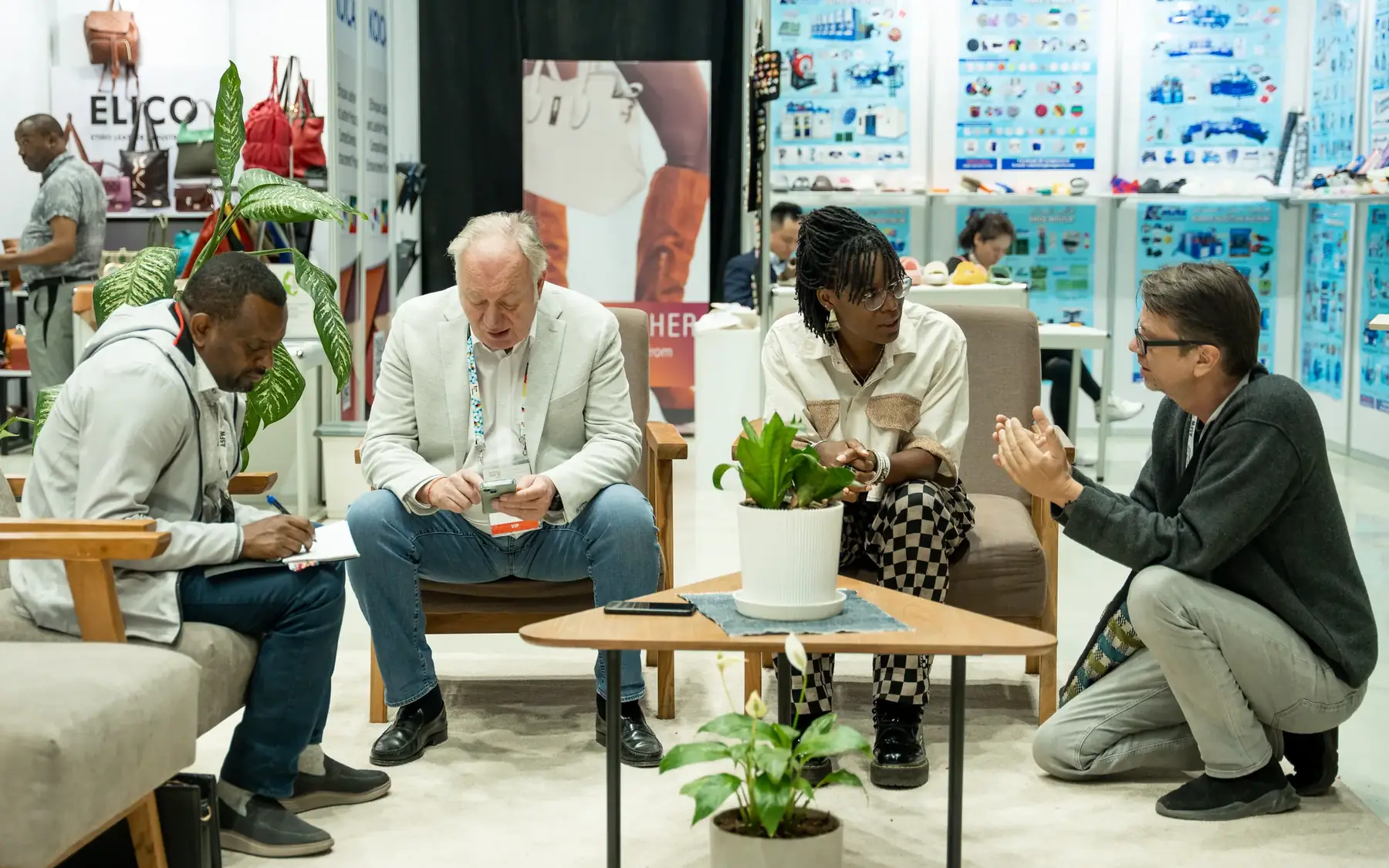
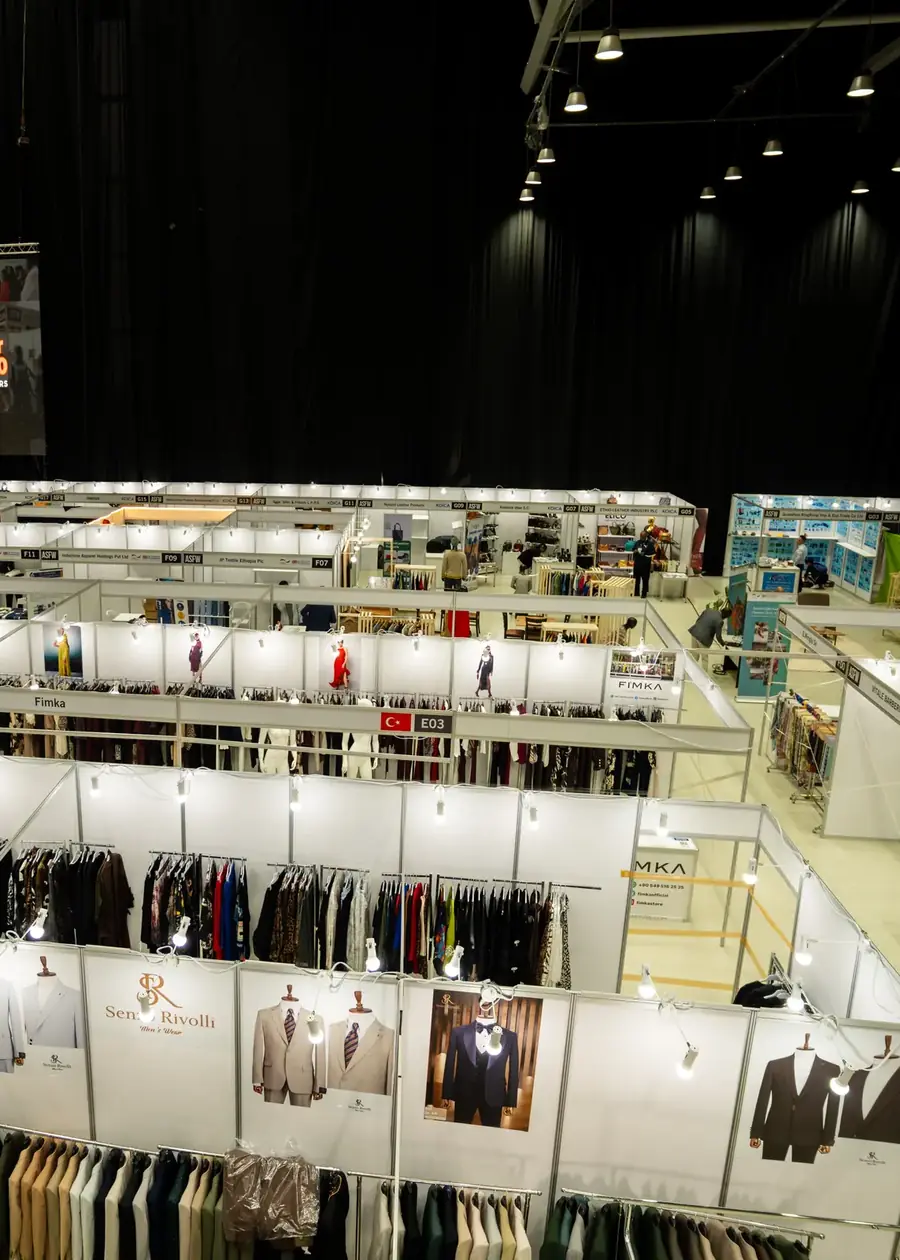
The All Africa Leather Fair, 12 to 15 November 2026 at the Addis International Convention Center, is the best place to meet Ethiopian manufacturers in one location.
07 Send an inquiry